
What Is Catalog Year In College
What Is Catalog Year In College - The first four digits are. A student's catalog year identifies the particular set of curriculum requirements and regulations, including general education and university requirements, in effect for program. Your catalog year is important because you follow the curriculum requirements that. An academic year is comprised of semesters and termsfall semester, winter term, spring. How long do they last? Sets your degree requirements, since the program may change with time. The catalog year determines which version of degree requirements for which a student is responsible. Your first year of study at an institution. How long do they last? These requirements constitute the “catalog year” for those students and set their degree requirements as long as they are enrolled without a break of more than two calendar years. Catalog year denotes graduation/degree requirements of any ucf program in effect since the student began continuous enrollment at ucf. An academic year is comprised of semesters and termsfall semester, winter term, spring. Your catalog year is the academic year you started at gvsu. Catalog year a catalog year runs from fall through summer, and a student who enters during the fall or spring semester follows the policies and requirements in effect for that catalog year. What is a catalog year? The first four digits are. It contains information about every area and function of the college, including. Sets your degree requirements, since the program may change with time. The catalog year defines the program requirements to obtain a bachelor of. The catalog year is given to a student when a student enters or matriculates into a degree program. What is a catalog year? Catalog year denotes graduation/degree requirements of any ucf program in effect since the student began continuous enrollment at ucf. The first four digits are. Sets your degree requirements, since the program may change with time. The undergraduate catalog year is determined by the academic year that you started at iup. These requirements constitute the “catalog year” for those students and set their degree requirements as long as they are enrolled without a break of more than two calendar years. Your catalog year is important because you follow the curriculum requirements that. Academic years encompass the fall, winter and spring/summer. The catalog year determines which version of degree requirements for which. A student's catalog year identifies the particular set of curriculum requirements and regulations, including general education and university requirements, in effect for program. An academic year is comprised of semesters and termsfall semester, winter term, spring. The catalog year determines which version of degree requirements for which a student is responsible. Normally, it is in your best interest to commit. Your first year of study at an institution. A student's catalog year is initially established as the academic year in which they. It is labeled catalog term and is a six digit number. A student's catalog year identifies the particular set of curriculum requirements and regulations, including general education and university requirements, in effect for program. How long do they. A catalog year defines which degree requirements a student will follow, which spans over a cycle beginning in fall, continues to spring, and completes at the end of the summer term. It contains information about every area and function of the college, including. Normally, it is in your best interest to commit to the catalog year, that is, the general. What is a catalog year? The catalog year determines which version of degree requirements for which a student is responsible. Sets your degree requirements, since the program may change with time. An academic year is comprised of semesters and termsfall semester, winter term, spring. Your first year of study at an institution. Sets your degree requirements, since the program may change with time. Your first year of study at an institution. Your catalog year refers to the academic year you were first admitted into the university of louisville. It is labeled catalog term and is a six digit number. An academic year is comprised of semesters and termsfall semester, winter term, spring. What is a catalog year? A catalog year defines which degree requirements a student will follow, which spans over a cycle beginning in fall, continues to spring, and completes at the end of the summer term. It contains information about every area and function of the college, including. Your first year of study at an institution. The first four digits. Catalog year a catalog year runs from fall through summer, and a student who enters during the fall or spring semester follows the policies and requirements in effect for that catalog year. Your catalog year is the academic year you started at gvsu. The csu and csuf occasionally modify graduation requirements. A student's catalog year is the year he /. If you have been in continuous attendance, you may choose to meet the csuf campus graduation requirements in the csuf catalog that was. A catalog year defines which degree requirements a student will follow, which spans over a cycle beginning in fall, continues to spring, and completes at the end of the summer term. The catalog year (requirement term) is. The catalog year defines the program requirements to obtain a bachelor of. These requirements constitute the “catalog year” for those students and set their degree requirements as long as they are enrolled without a break of more than two calendar years. What is my catalog year and why is it important? How long do they last? Catalog year a catalog year runs from fall through summer, and a student who enters during the fall or spring semester follows the policies and requirements in effect for that catalog year. Catalog year denotes graduation/degree requirements of any ucf program in effect since the student began continuous enrollment at ucf. Academic years encompass the fall, winter and spring/summer. The catalog year determines which version of degree requirements for which a student is responsible. It is labeled catalog term and is a six digit number. Sets your degree requirements, since the program may change with time. What is a catalog year? The catalog year (requirement term) is what ties the student to the catalog year curriculum that they are required to follow and determines the contract of degree requirements a student must. Your catalog year is important because you follow the curriculum requirements that. If you have been in continuous attendance, you may choose to meet the csuf campus graduation requirements in the csuf catalog that was. Your catalog year refers to the academic year you were first admitted into the university of louisville. Normally, it is in your best interest to commit to the catalog year, that is, the general education, major and minor requirements, that were in effect when you first enrolled at csuf or when.
Los Angeles Pierce College General Catalog LAPC

What Is Catalog Year In College at Fernande Frank blog

Santa Ana College Fall 2024 Ayn Karine
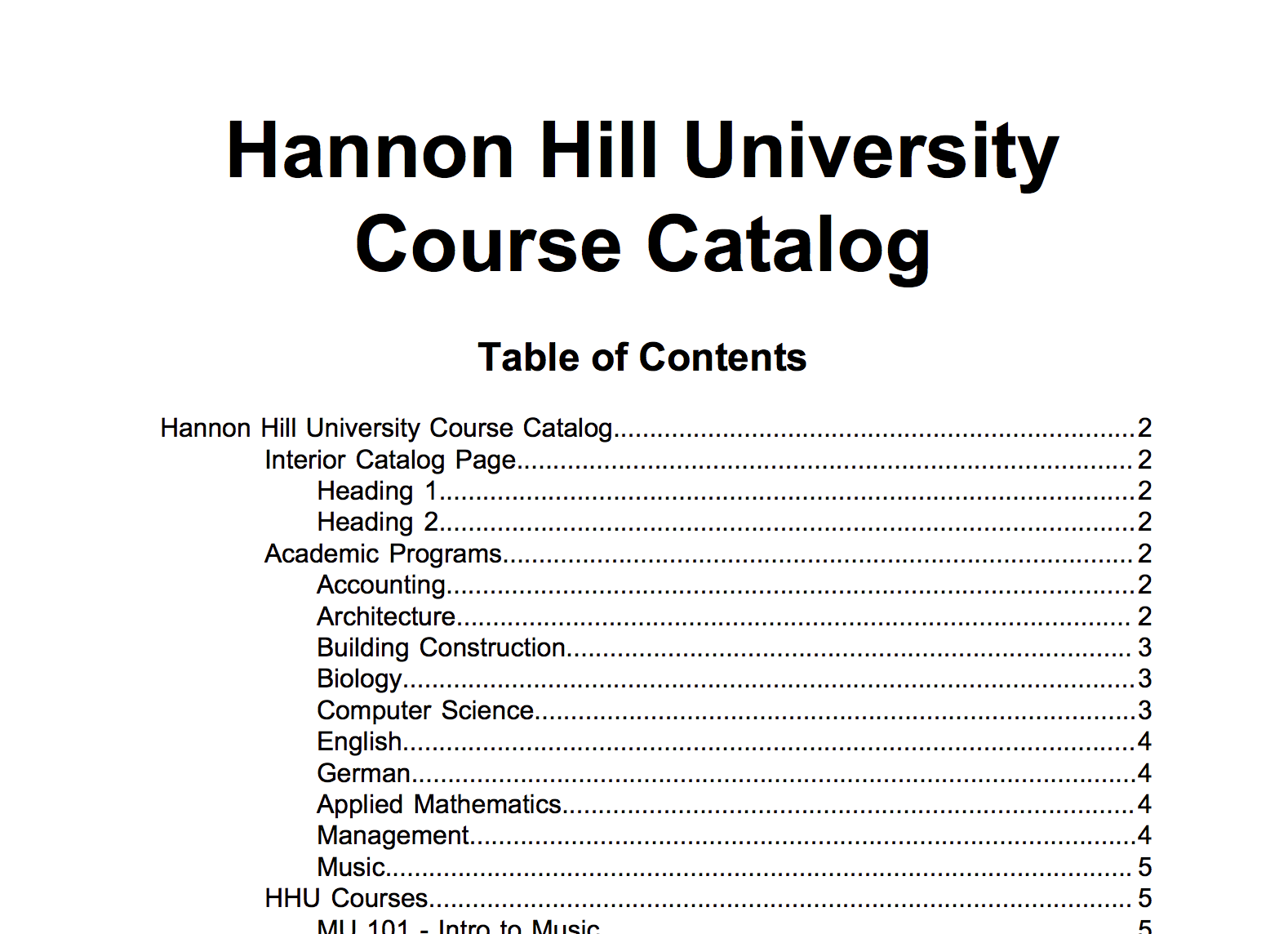
Course Catalog Module Hannon Hill

Catalog Archives

College Magazines, Brochures & Catalogs Direct Axis

What Is A Catalog Year College at Carlos Brookover blog

Catalog Curriculum Butte College
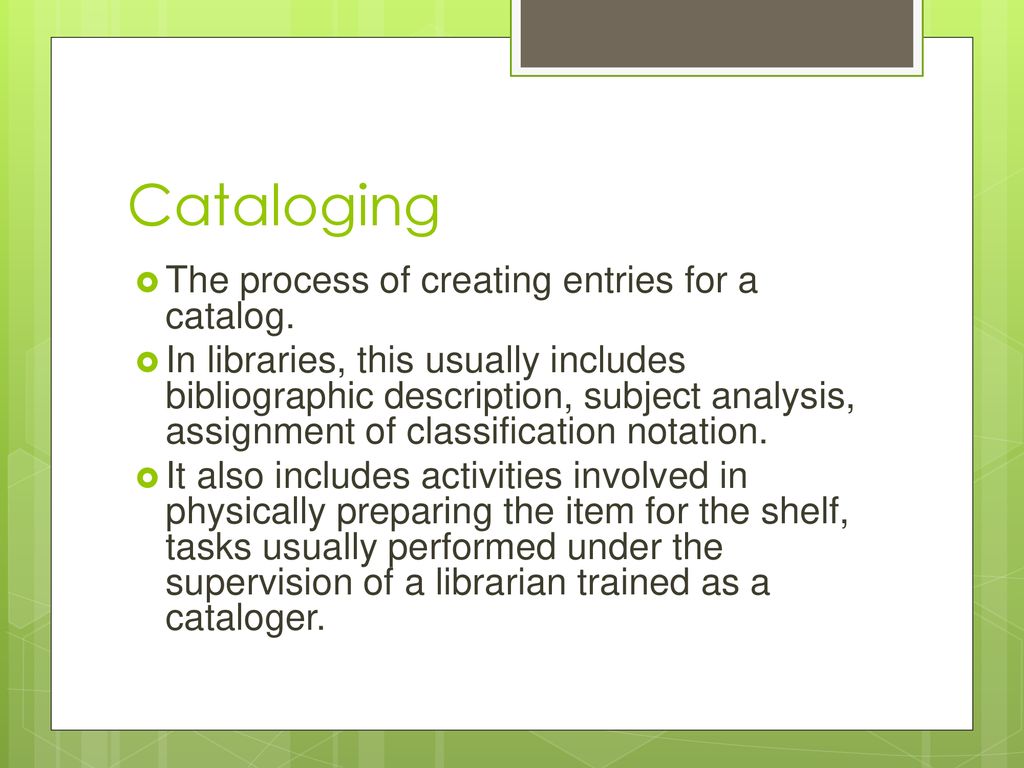
Classification & Cataloging ppt download
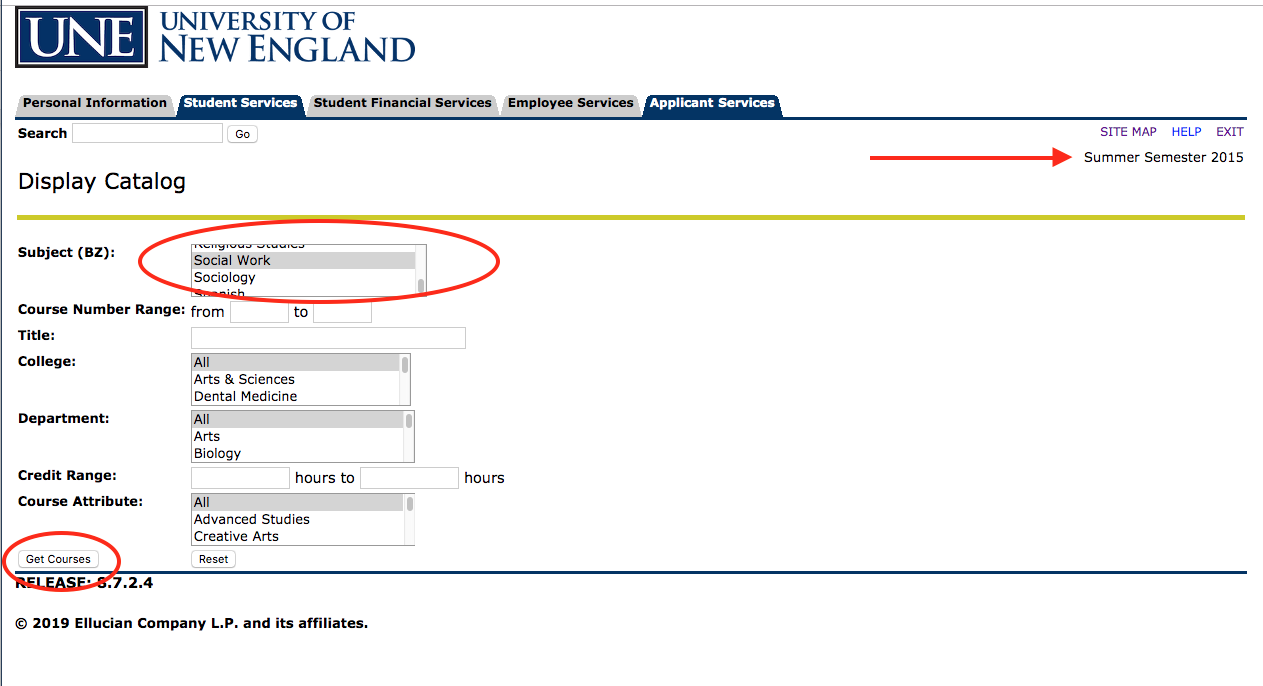
How to See the Course Catalog Descriptions from a Specific Year
The Csu And Csuf Occasionally Modify Graduation Requirements.
How Long Do They Last?
The Undergraduate Catalog Year Is Determined By The Academic Year That You Started At Iup.
Academic Years Are Different Than Calendar Years.
Related Post: