
Difference Between Catalogue And Catalog
Difference Between Catalogue And Catalog - For american readers, use catalog. for british or international audiences, catalogue is the preferred form. Catalog and catalogue are both english terms. In american english, 'catalog' is the preferred spelling, while in british english, 'catalogue' is. “catalogue” is preferred in british english, while “catalog” is standard in american english. The words 'catalog' and 'catalogue' are both used to refer to a list or collection of items. In this article, i will compare catalog vs. The words have the same meaning and are used interchangeably depending. Catalog and catalogue are variant spellings of the same word. Have you seen the word catalog spelled two ways—with and without a u—and wondered which is correct? Catalogue.i will provide example sentences for each spelling to illustrate when it’s appropriate to use one over the other. A systematic list or record, often with descriptions or illustrations, of items such as books, products, or. Catalog and catalogue are variant spellings of the same word. I will also discuss a useful memory tool to help you decide whether to use catalog or catalogue when you write. Understanding your audience’s language preferences will help you choose the correct. Have you seen the word catalog spelled two ways—with and without a u—and wondered which is correct? The words 'catalog' and 'catalogue' are both used to refer to a list or collection of items. When it comes to spelling, catalog and catalogue are both correct. Catalog and catalogue are both english terms. In this article, i will compare catalog vs. To decide between catalog and catalogue, consider the audience’s location. When it comes to spelling, catalog and catalogue are both correct. When it comes to the spelling of “catalog” or “catalogue,” the key difference lies in regional preferences rather than meaning. In this article, i will compare catalog vs. In this article, you'll learn the difference between the two and when to. I will also discuss a useful memory tool. Understanding your audience’s language preferences will help you choose the correct. When it comes to the spelling of “catalog” or “catalogue,” the key difference lies in regional preferences rather than meaning. In american english, 'catalog' is the preferred spelling, while in british english, 'catalogue' is. To decide between catalog and catalogue, consider the audience’s location. If you're wondering what the. Catalog is the correct spelling in american english, while catalogue is used in british english. In this article, i will compare catalog vs. A systematic list or record, often with descriptions or illustrations, of items such as books, products, or. “catalogue” is preferred in british english, while “catalog” is standard in american english. Understanding your audience’s language preferences will help. When it comes to spelling, catalog and catalogue are both correct. However, there are some differences in usage depending on where you are in the world. To decide between catalog and catalogue, consider the audience’s location. A catalog (american english) and a catalogue. Catalog is the correct spelling in american english, while catalogue is used in british english. Catalog is the correct spelling in american english, while catalogue is used in british english. However, there are some differences in usage depending on where you are in the world. Catalog and catalogue are variant spellings of the same word. “catalogue” is preferred in british english, while “catalog” is standard in american english. For american readers, use catalog. for british. The words have the same meaning and are used interchangeably depending. Here we'll aim to clarify the distinction by explaining the spelling differences and. If you're wondering what the difference is between 'catalog' vs 'catalogue,' you've come to the right place. Have you seen the word catalog spelled two ways—with and without a u—and wondered which is correct? A systematic. Have you seen the word catalog spelled two ways—with and without a u—and wondered which is correct? When it comes to the spelling of “catalog” or “catalogue,” the key difference lies in regional preferences rather than meaning. A catalog (american english) and a catalogue. “catalogue” is preferred in british english, while “catalog” is standard in american english. The words 'catalog'. In this article, i will compare catalog vs. Catalog is the correct spelling in american english, while catalogue is used in british english. Have you seen the word catalog spelled two ways—with and without a u—and wondered which is correct? Catalog and catalogue are both english terms. A catalog (american english) and a catalogue. For american readers, use catalog. for british or international audiences, catalogue is the preferred form. Here we'll aim to clarify the distinction by explaining the spelling differences and. To decide between catalog and catalogue, consider the audience’s location. If you're wondering what the difference is between 'catalog' vs 'catalogue,' you've come to the right place. Have you seen the word. In this article, i will compare catalog vs. Understanding your audience’s language preferences will help you choose the correct. Here we'll aim to clarify the distinction by explaining the spelling differences and. In this article, you'll learn the difference between the two and when to. The words 'catalog' and 'catalogue' are both used to refer to a list or collection. The words 'catalog' and 'catalogue' are both used to refer to a list or collection of items. Catalogue.i will provide example sentences for each spelling to illustrate when it’s appropriate to use one over the other. In this article, i will compare catalog vs. In american english, 'catalog' is the preferred spelling, while in british english, 'catalogue' is. Catalog and catalogue are variant spellings of the same word. Catalog and catalogue essentially convey the same meaning: Have you seen the word catalog spelled two ways—with and without a u—and wondered which is correct? When it comes to the spelling of “catalog” or “catalogue,” the key difference lies in regional preferences rather than meaning. However, there are some differences in usage depending on where you are in the world. When it comes to spelling, catalog and catalogue are both correct. Here we'll aim to clarify the distinction by explaining the spelling differences and. To decide between catalog and catalogue, consider the audience’s location. If you're wondering what the difference is between 'catalog' vs 'catalogue,' you've come to the right place. For american readers, use catalog. for british or international audiences, catalogue is the preferred form. Catalog is the correct spelling in american english, while catalogue is used in british english. A systematic list or record, often with descriptions or illustrations, of items such as books, products, or.
Catalog vs. Catalogue — What’s the Difference?

Catalog vs. Catalogue Understanding the Differences in Spelling • 7ESL

Catalog vs. Catalogue What's the Difference? ESLBUZZ
‘Catalog' vs 'Catalogue' What's the Difference?

Catalog vs. Catalogue What's the Difference? Main Difference
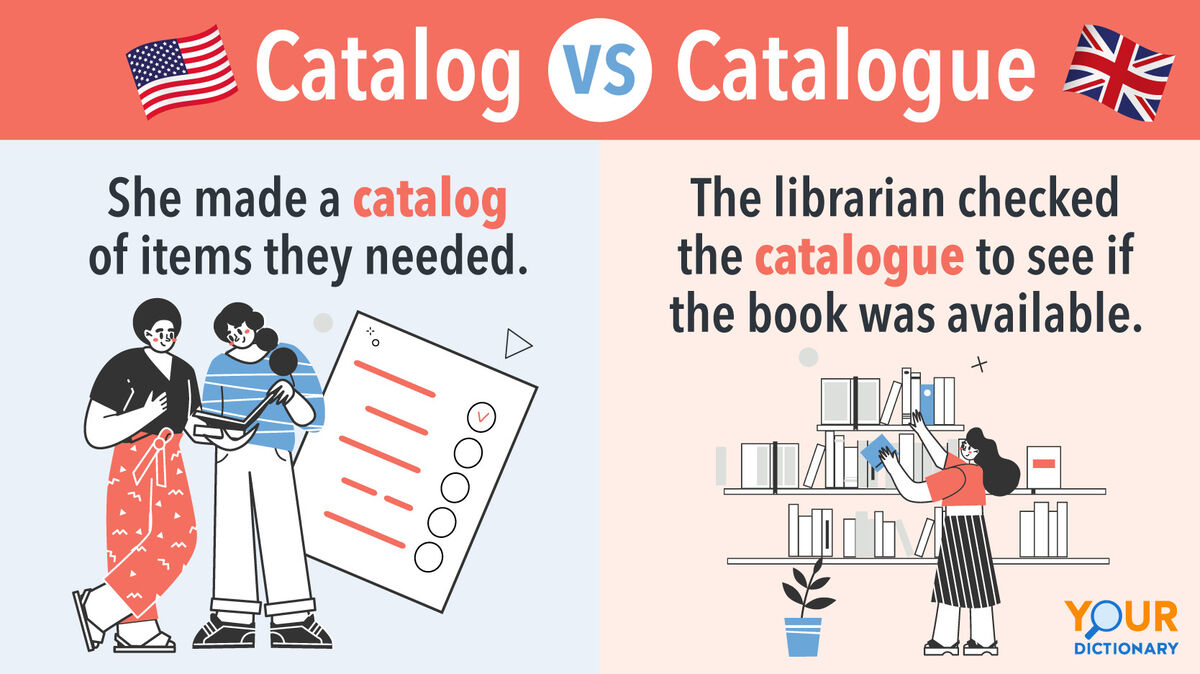
Catalog vs. Catalogue Sorting Out the Different Spellings YourDictionary
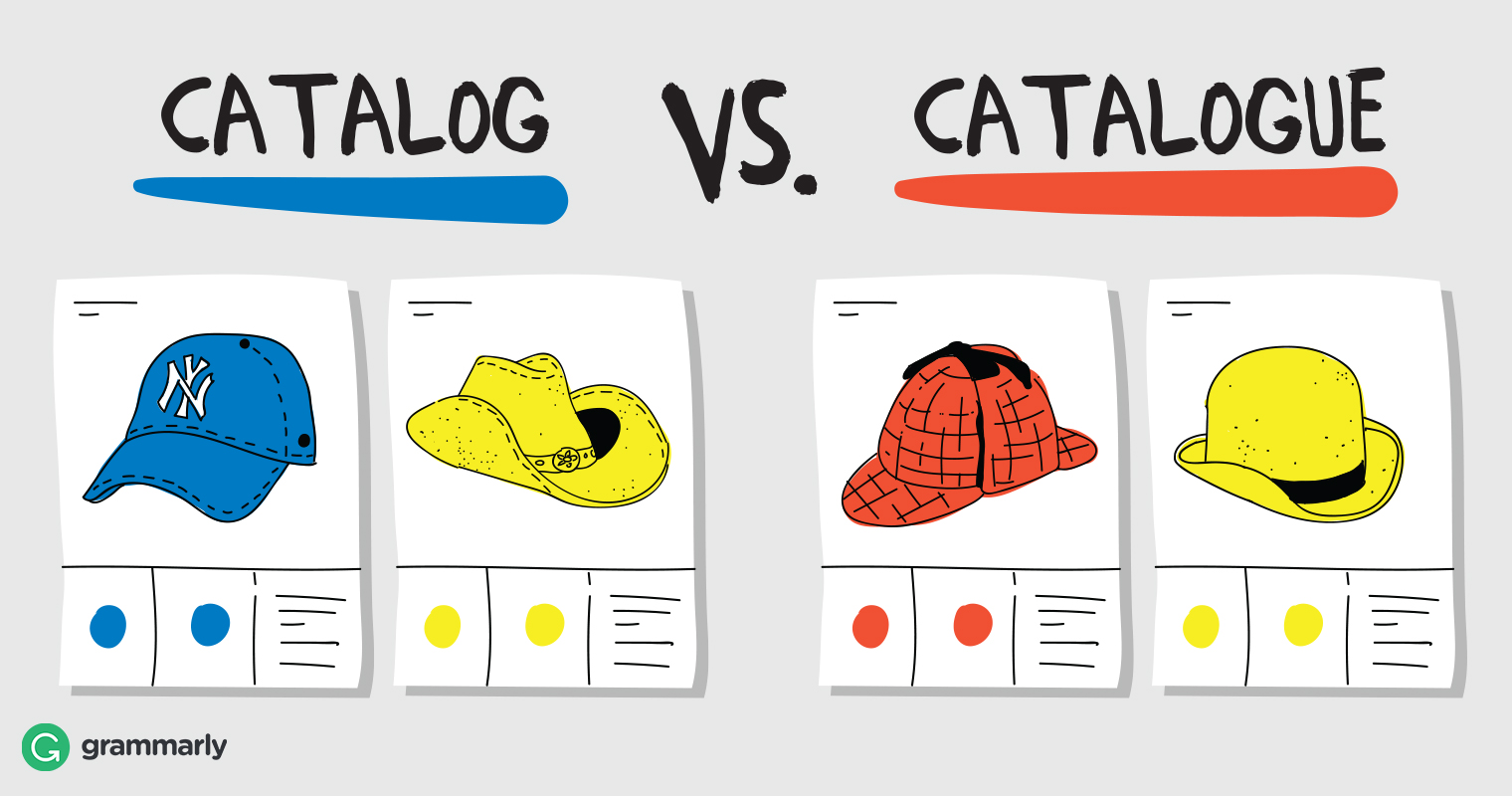
Catalog or Catalogue—Which Should You Use? Grammarly

‘Catalog’ vs ‘Catalogue’ What’s the Difference?

Catalog vs. Catalogue Understanding the Differences in Spelling • 7ESL

The Ultimate Guide To Catalog Vs. Catalogue 20+ Mustknow Differences
“Catalogue” Is Preferred In British English, While “Catalog” Is Standard In American English.
In This Article, You'll Learn The Difference Between The Two And When To.
Catalog And Catalogue Are Both English Terms.
I Will Also Discuss A Useful Memory Tool To Help You Decide Whether To Use Catalog Or Catalogue When You Write.
Related Post: