
Catalog Management In Ecommerce
Catalog Management In Ecommerce - In ecommerce, product information is the sales pitch. It ensures that product data,. This fundamental practice encompasses the systematic organization,. Ecommerce product catalog management specifically revolves around the needs of online sellers. At the heart of any successful ecommerce operation lies the intricate discipline of product catalog management. What is ecommerce catalog management? The objective is to consistently present product data and. In ecommerce, catalog management refers to the strategic process of organizing, managing, and maintaining product information. Ecommerce catalog management involves organizing, updating, and optimizing product listings to ensure accurate representation and smooth customer interactions within an online store. It refers to creating, updating, enriching, optimizing, and organizing product. It involves structuring product data, managing. The importance of ecommerce catalog management to thrive online, robust ecommerce catalog management is indispensable. The objective is to consistently present product data and. A dedicated feed management system acts as the control center for your product data. Ecommerce product catalog management specifically revolves around the needs of online sellers. The role of a feed management system. The key objective of ecommerce catalog management is to maintain consistency in product data and messaging across all sales channels. What is ecommerce catalog management? In ecommerce, catalog management refers to the strategic process of organizing, managing, and maintaining product information. Rich content—clear images, specs, and availability—helps. Ecommerce product catalog management helps you deliver the convenience that can make all the difference in enticing customers to make that initial purchase — and continue. It involves structuring product data, managing. Its powerful ecommerce features include. The importance of ecommerce catalog management to thrive online, robust ecommerce catalog management is indispensable. Rich content—clear images, specs, and availability—helps. It ensures that product data,. Rich content—clear images, specs, and availability—helps. Ecommerce catalog management is the systematic arrangement, maintenance, and optimization of a company's online inventory. Ecommerce product catalog management is the process of storing and organizing all of an ecommerce business’s product. What is ecommerce catalog management? Better customer experience in online catalogs: At the heart of any successful ecommerce operation lies the intricate discipline of product catalog management. Ecommerce catalog management is an important aspect of running an ecommerce business. Rich content—clear images, specs, and availability—helps. Ecommerce catalog management is the process of organizing, structuring, and maintaining product information across all online sales channels. Ecommerce catalog management involves organizing, updating, and optimizing product listings to ensure accurate representation and smooth customer interactions within an online store. Its powerful ecommerce features include. This involves ensuring that product data is. In ecommerce, catalog management refers to the strategic process of organizing, managing, and maintaining product information. Better customer experience in online catalogs: The objective is to consistently present product data and. Ecommerce catalog management involves organizing, updating, and optimizing product listings to ensure accurate representation and smooth customer interactions within an online store. It involves structuring product data, managing. Catalogue management in ecommerce refers to the systematic process of organising, updating, and presenting products in an online store. Ecommerce catalog management is. What is ecommerce catalog management? At its core, ecommerce catalog management involves the systematic organization, categorization, and maintenance of product information across digital channels to provide a. It refers to creating, updating, enriching, optimizing, and organizing product. Ecommerce product catalog management specifically revolves around the needs of online sellers. Ecommerce catalog management is an important aspect of running an ecommerce. Its powerful ecommerce features include. Ecommerce catalog management is the systematic arrangement, maintenance, and optimization of a company's online inventory. This involves ensuring that product data is. Catalog management is a vital part of ecommerce. Rich content—clear images, specs, and availability—helps. The role of a feed management system. At the heart of any successful ecommerce operation lies the intricate discipline of product catalog management. Ecommerce catalog management is an important aspect of running an ecommerce business. Ecommerce catalog management is the systematic arrangement, maintenance, and optimization of a company's online inventory. In ecommerce, product information is the sales pitch. What is ecommerce catalog management? This fundamental practice encompasses the systematic organization,. Better customer experience in online catalogs: Ecommerce product catalog management is the process of storing and organizing all of an ecommerce business’s product. It helps businesses organize and maintain their online product catalogs, and it helps customers easily find what they’re. The objective is to consistently present product data and. This internal refinement process, fueled by the standardized data from the supplier catalog management system, is essential for building a strong ecommerce presence. It ensures that product data,. At its core, ecommerce catalog management involves the systematic organization, categorization, and maintenance of product information across digital channels to provide a. Ecommerce. It ensures that product data,. At its core, ecommerce catalog management involves the systematic organization, categorization, and maintenance of product information across digital channels to provide a. Ecommerce product catalog management is the process of storing and organizing all of an ecommerce business’s product. In ecommerce, catalog management refers to the strategic process of organizing, managing, and maintaining product information. Catalog management is a vital part of ecommerce. Its powerful ecommerce features include. In ecommerce, product information is the sales pitch. Rich content—clear images, specs, and availability—helps. This internal refinement process, fueled by the standardized data from the supplier catalog management system, is essential for building a strong ecommerce presence. The objective is to consistently present product data and. Better customer experience in online catalogs: This fundamental practice encompasses the systematic organization,. At the heart of any successful ecommerce operation lies the intricate discipline of product catalog management. What is ecommerce catalog management? Ecommerce catalog management is the process of organizing, structuring, and maintaining product information across all online sales channels. This involves ensuring that product data is.
What are the Good Practices in Catalog Management
Product Catalog Management Importance, Challenges

Catalog management in Questudio

Catalog Management in 2021 Management, Success
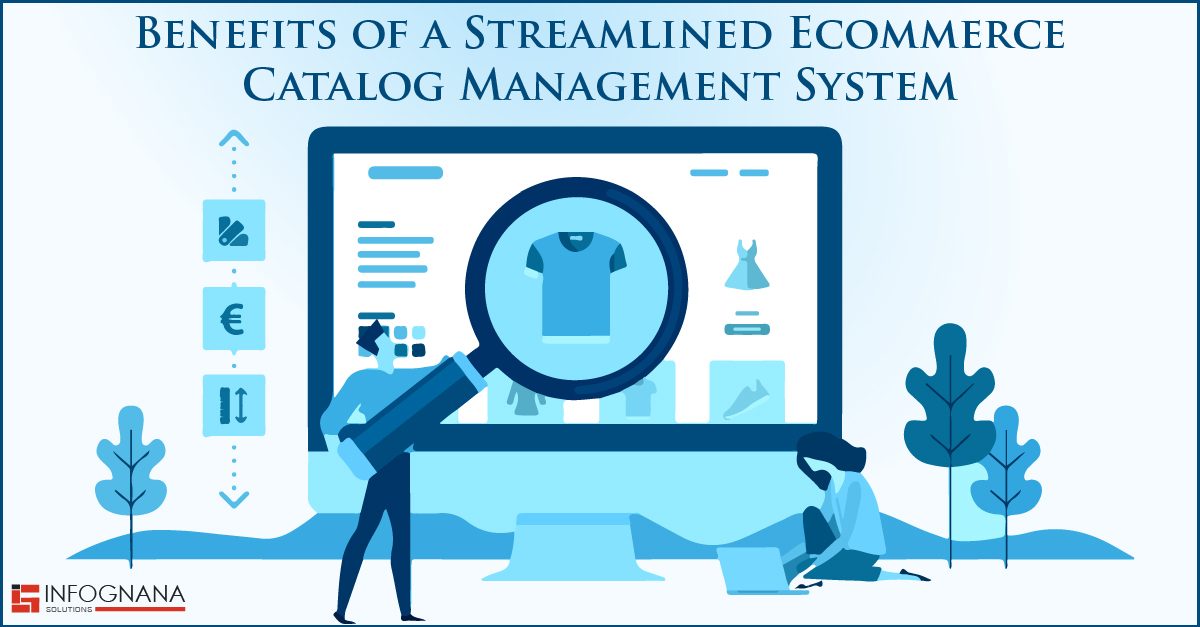
Benefits of Streamlined Catalog Management IG

What is catalog management and why is it important?

Catalog Management Streamlining Your Online Store

Importance of Product Catalog Management ITS

Efficient Catalog Management Questudio

Catalog Management 101 Organizing Your Empire Purple Cow
Ecommerce Catalog Management Involves Organizing, Updating, And Optimizing Product Listings To Ensure Accurate Representation And Smooth Customer Interactions Within An Online Store.
Ecommerce Product Catalog Management Helps You Deliver The Convenience That Can Make All The Difference In Enticing Customers To Make That Initial Purchase — And Continue.
Ecommerce Catalog Management Is An Important Aspect Of Running An Ecommerce Business.
The Key Objective Of Ecommerce Catalog Management Is To Maintain Consistency In Product Data And Messaging Across All Sales Channels.
Related Post: